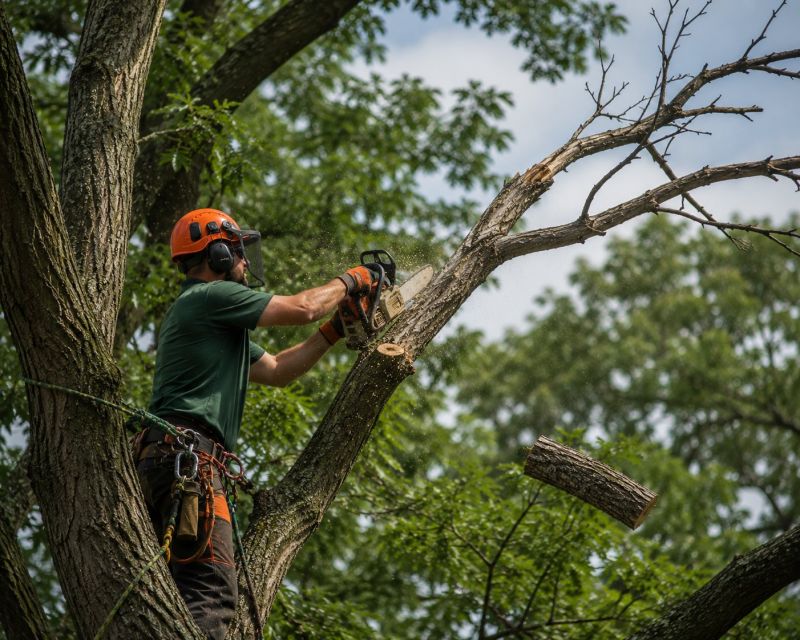
Deadwood Removal in Reno, NV
Deadwood removal services involve the safe and efficient removal of dead, dying, or hazardous trees from residential properties. This service covers a variety of projects, including clearing fallen trees after storms, removing diseased or decayed trees that pose a risk to structures or people, and thinning out overgrown areas to improve landscape health and safety. Homeowners typically seek deadwood removal to prevent potential damage to their property, reduce the risk of falling branches, and maintain a safe outdoor environment.
Before requesting deadwood removal, property owners should consider the location and size of the trees, as well as any potential obstacles or nearby structures. It’s important to identify whether the trees are close to power lines, buildings, or other valuable landscape features, which can influence the scope and approach of the removal process. Understanding the condition of the trees and the overall health of the landscape can help determine the most appropriate and safe removal methods.
Many property owners in Reno, NV look into Deadwood Removal for repairs, replacements, upgrades, and appearance-related improvements.
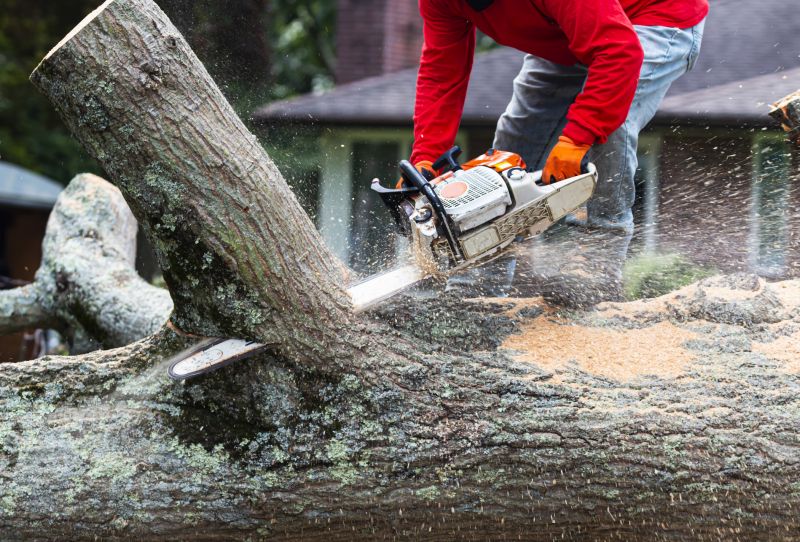
Types Of Deadwood Removed
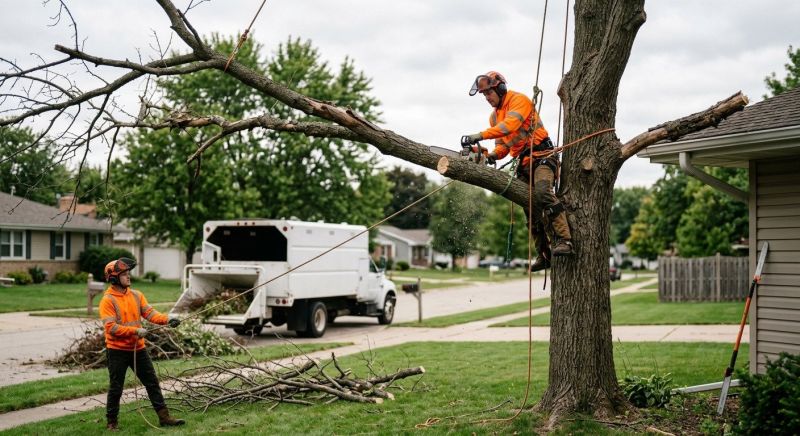
Services include removal of fallen branches, hazardous trees, and storm-damaged limbs.
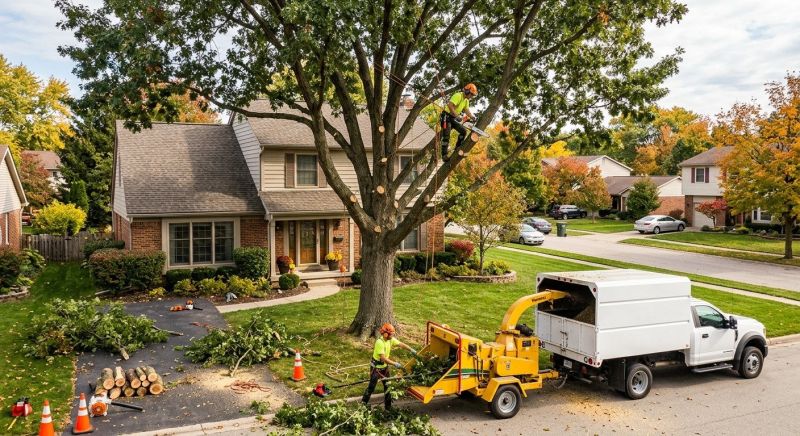
Safety And Property Protection
Removing deadwood helps prevent damage to roofs, power lines, and landscaping during storms.
Benefits Of Deadwood Clearance
Clearing deadwood enhances the safety, appearance, and health of your trees and property.
Deadwood Removal in Reno, NV
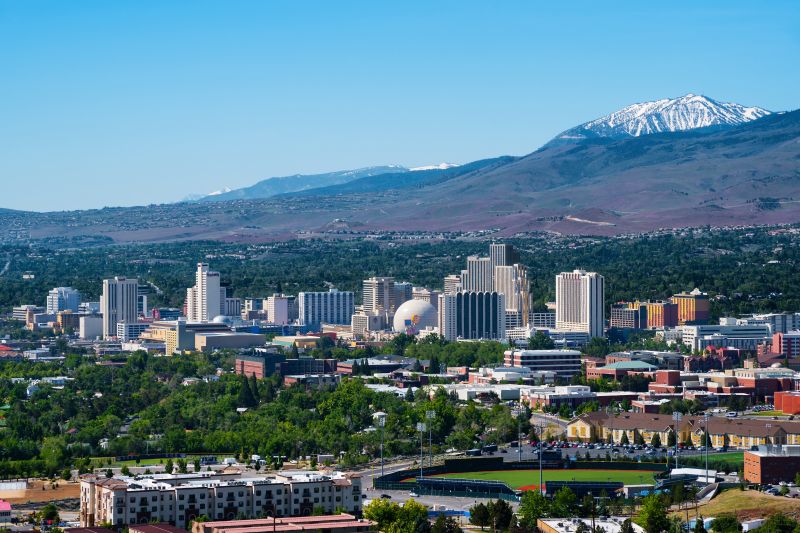
Deadwood removal services involve the safe and efficient removal of dead, dying, or hazardous trees from residential properties. This service covers a variety of projects, including clearing fallen trees after storms, removing diseased or decayed trees that pose a risk to structures or people, and thinning out overgrown areas to improve landscape health and safety. Homeowners typically seek deadwood removal to prevent potential damage to their property, reduce the risk of falling branches, and maintain a safe outdoor environment.
Before requesting deadwood removal, property owners should consider the location and size of the trees, as well as any potential obstacles or nearby structures. It’s important to identify whether the trees are close to power lines, buildings, or other valuable landscape features, which can influence the scope and approach of the removal process. Understanding the condition of the trees and the overall health of the landscape can help determine the most appropriate and safe removal methods.
Many property owners in Reno, NV look into Deadwood Removal for repairs, replacements, upgrades, and appearance-related improvements.
Common Deadwood Removal Jobs
Deadwood Removal - Clearing dead or decayed wood from trees to improve health and safety.
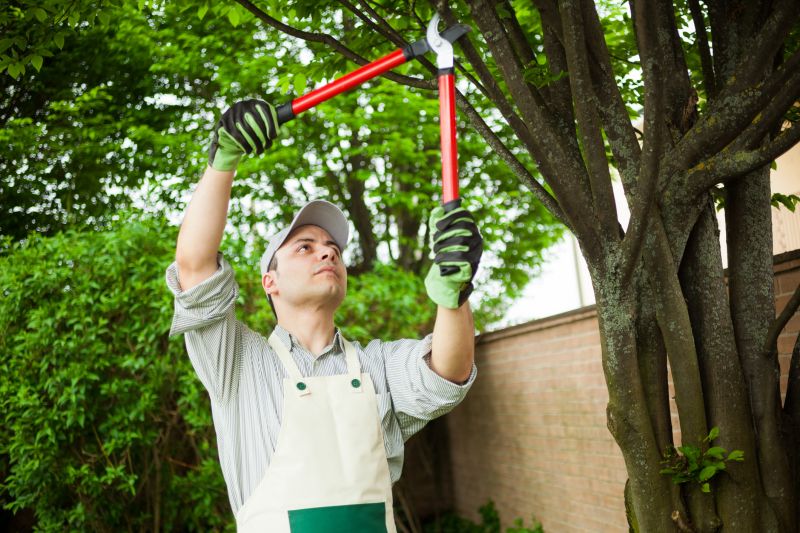
Tree Pruning - Removing dead branches to promote growth and prevent potential hazards.
Hazard Tree Removal - Safely taking down trees that pose a risk to property or safety.
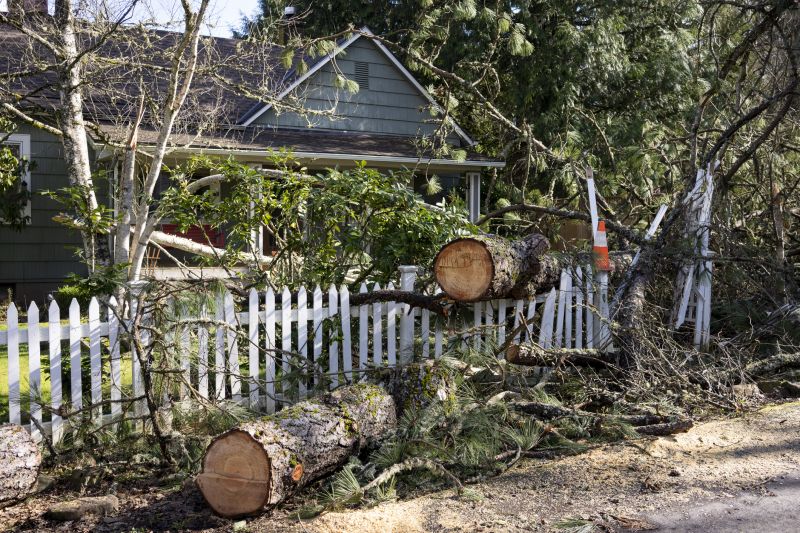
Storm Damage Cleanup - Removing fallen or broken wood after severe weather events.
Stump Grinding - Eliminating tree stumps to enhance landscape appearance and functionality.
Land Clearing - Removing deadwood and debris to prepare land for construction or landscaping.
Deadwood Removal Questions
What types of debris are removed during deadwood removal? Deadwood removal typically involves removing broken, decayed, or dead branches from trees to improve health and safety.
Why is deadwood removal important for property safety? Removing dead branches reduces the risk of falling limbs that can cause damage or injury during storms or high winds.
When is the best time to schedule deadwood removal? Deadwood removal is most effective during the dormant season or when dead branches become evident, usually in late fall or winter.
Does deadwood removal affect the overall health of a tree? Proper deadwood removal can promote healthier growth by preventing decay and reducing pest habitats.
Request Deadwood Removal in Reno, NV
Use the quote form on this page to share the basics of your project and request more information for the type of work you need.